
- English
- Español
- Português
- русский
- Français
- 日本語
- Deutsch
- tiếng Việt
- Italiano
- Nederlands
- ภาษาไทย
- Polski
- 한국어
- Svenska
- magyar
- Malay
- বাংলা ভাষার
- Dansk
- Suomi
- हिन्दी
- Pilipino
- Türkçe
- Gaeilge
- العربية
- Indonesia
- Norsk
- تمل
- český
- ελληνικά
- український
- Javanese
- فارسی
- தமிழ்
- తెలుగు
- नेपाली
- Burmese
- български
- ລາວ
- Latine
- Қазақша
- Euskal
- Azərbaycan
- Slovenský jazyk
- Македонски
- Lietuvos
- Eesti Keel
- Română
- Slovenski
- मराठी
- Srpski језик

How to Use a Heat Gun for Paint Removal Safely and Efficiently
2025-12-10
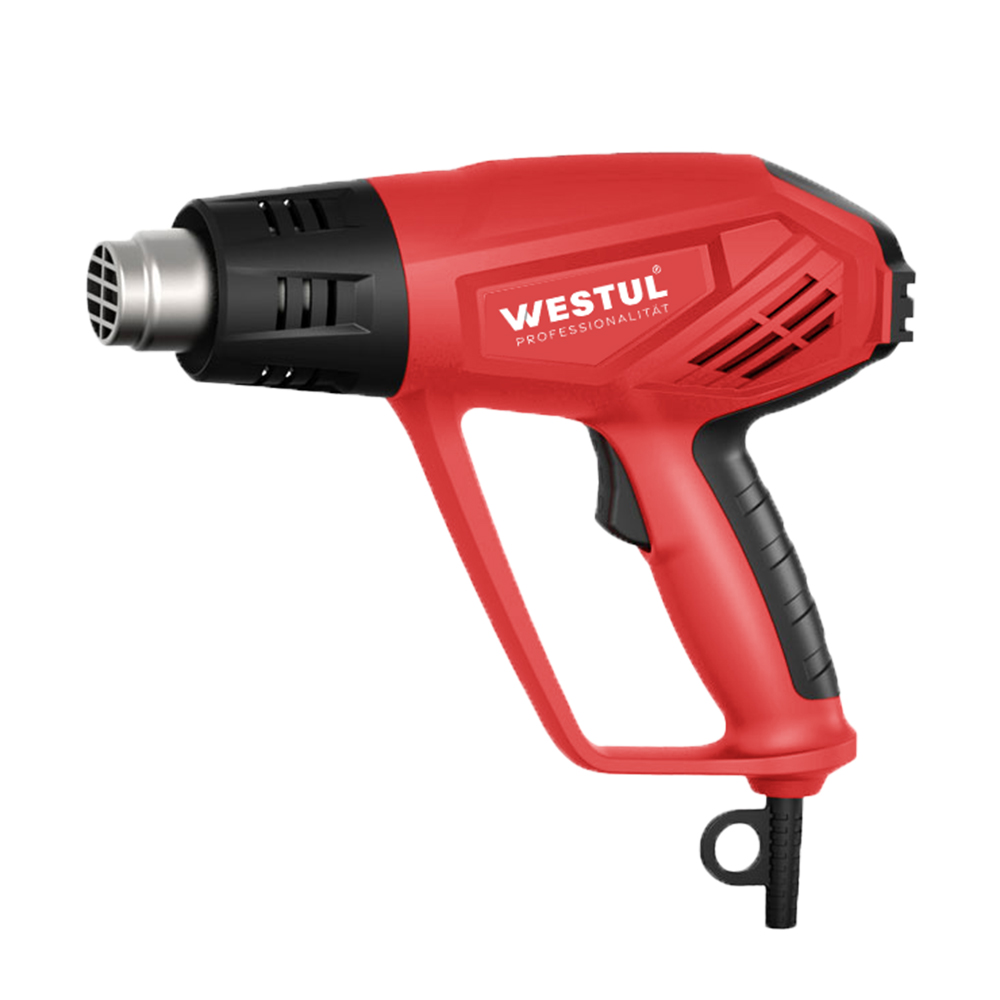
Ever faced the tedious task of stripping layers of old paint, wondering if there’s a better way than endless scraping or harsh chemicals I certainly have, and that’s exactly why I turned to a professional heat gun. When used correctly, a heat gun is a game-changer for DIY enthusiasts and pros alike, offering a faster, cleaner alternative. But safety and technique are paramount. In this guide, I’ll walk you through the best practices while showcasing why our Westul Pro-Stripper 2000 is engineered to make this job both safer and remarkably efficient.
What Are the Core Safety Precautions You Must Take Before Starting
Safety is never optional. A heat gun operates at extremely high temperatures, making protective gear non-negotiable. Always wear heat-resistant gloves, safety goggles, and a respirator mask to guard against fumes and debris. Ensure your workspace is well-ventilated and clear of any flammable materials like solvents, rags, or paint thinners. Before you plug in your tool, conduct a quick check of the power cord and nozzle for any damage. A key feature of the Westul Pro-Stripper 2000 is its integrated safety stand, which prevents the hot nozzle from accidentally touching surfaces when you need to set it down momentarily.
Which Tool Features and Settings Are Crucial for Effective Paint Stripping
Not all heat guns are created equal for precision work like paint removal. You need control over temperature and airflow. Our Westul Pro-Stripper 2000 is built with this precise control in mind. Here are its key parameters presented for clarity:
Westul Pro-Stripper 2000 – Key Specifications:
-
Temperature Range: 120°F to 1100°F (50°C to 593°C)
-
Airflow Settings: Two-speed fan (450 / 550 L/min)
-
Nozzle Attachments: Included flat wide nozzle for broad surfaces
-
Ergonomics: Lightweight, anti-slip grip with balanced design
-
Safety Feature: Overheat protection with auto shut-off
For most paint removal tasks, I recommend starting at a medium setting around 750°F. The dual airflow control on this heat gun allows you to adjust the heat intensity without blasting debris everywhere, giving you the perfect balance for softening paint efficiently.
What Is the Step-by-Step Technique for Optimal Paint Removal
The right technique prevents damage to the underlying wood or metal. Hold the heat gun 1-2 inches from the surface, moving it steadily in a back-and-forth motion. You’ll see the paint begin to blister and wrinkle almost immediately—that’s your cue. Use a quality, wide putty knife to gently scrape the softened paint away, always following the grain of the wood. The goal is to let the heat do the work, not your scraper. Avoid concentrating heat on one spot for too long to prevent scorching. I’ve found that the consistent heat distribution from the Westul nozzle makes this process much more intuitive, allowing for smooth, continuous passes.
How Can You Maintain Your Tool and Ensure Longevity Post-Project
Once the job is done, proper care extends your tool’s life. Let the heat gun cool down completely in a safe place before storing it. Use a soft brush or cloth to remove any dust or paint residue from the air intake vents and nozzle. Store it in its original case or a dry place to protect it from moisture and impact. The durable construction of the Westul Pro-Stripper 2000 is designed for longevity, but simple maintenance ensures it performs like new for every future project, from paint stripping to thawing pipes or shrinking tubing.
Ready to transform your paint removal projects with precision and safety Westul is committed to providing professional-grade tools that empower your work. For more details on the Pro-Stripper 2000 or to find the perfect heat gun for your specific needs, we invite you to contact us directly. Visit our website or send us an inquiry today—our team is here to help you choose the right tool for the job